Welcoming New Smiles!


What to Do When Your Child Loses a Dental Filling
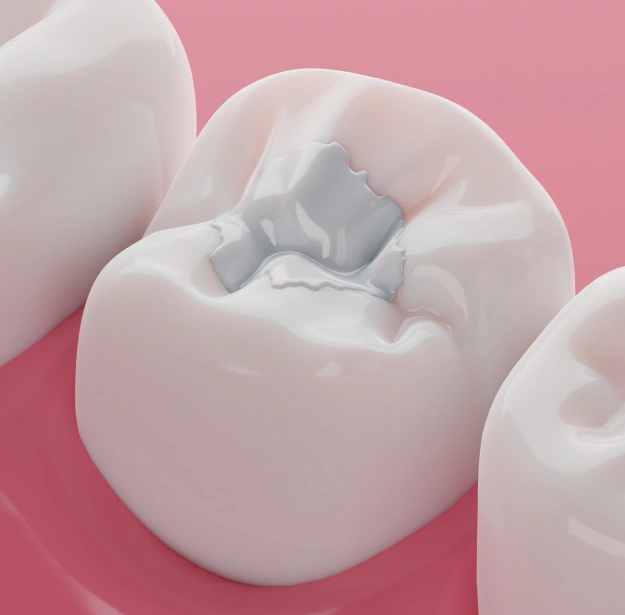
A dental filling can restore a child’s tooth after decay has damaged part of its structure. Although fillings are designed to withstand everyday chewing, they can occasionally loosen, crack, or fall out. When that happens, parents may notice a small hole in the tooth, increased sensitivity, discomfort while chewing, or a piece of filling material in their child’s mouth.
A missing filling should not be ignored, even when the child says the tooth does not hurt. The exposed area can collect food and bacteria, and the remaining tooth structure may be more vulnerable to additional damage.
At The Croc Doc: Dentistry Just For Kids, Dr. Todd M. Parco and Dr. Amir Aghili provide pediatric dental care for children throughout El Paso and surrounding communities. From our perspective as pediatric dental practitioners, prompt evaluation helps us determine why a filling failed and what the tooth needs next.
What Happens When a Child’s Dental Filling Falls Out?
A filling replaces tooth structure removed during cavity treatment. Once the filling is gone, part of the previously treated area becomes exposed again.
Depending on the depth and location of the original cavity, your child may experience:
- Sensitivity to cold, heat, or sweets
- Pain when biting or chewing
- A rough or sharp area on the tooth
- Food becoming trapped in the opening
- Irritation of the tongue or cheek
- No symptoms at all
The absence of pain does not necessarily mean the tooth can wait indefinitely. A pediatric dentist should examine the area to determine whether the filling simply became loose or whether decay, tooth damage, or another issue contributed to the problem.
Parents looking for dental filling in El Paso should contact their child’s dental office promptly and explain when the filling came out and whether symptoms are present.
Why Do Dental Fillings Fall Out in Children?
Several factors can contribute to filling failure. Sometimes the filling has been exposed to chewing forces for years. In other cases, changes in the surrounding tooth can weaken its support.
Common causes include:
New Decay Around the Filling
Plaque can accumulate around the margins of a restoration. If new decay develops underneath or beside it, the filling may lose the healthy tooth structure that once supported it.
Biting Hard Foods
Ice, hard candy, popcorn kernels, and other very hard foods can place considerable pressure on a restored tooth.
Sticky Foods
Chewy candy, caramel, gummies, and similar foods may pull repeatedly against a restoration and contribute to loosening.
Teeth Grinding
Children who grind or clench their teeth can place additional force on fillings, especially those located on back teeth.
Trauma to the Tooth
Sports injuries, playground accidents, falls, or blows to the mouth can fracture a filling or the tooth supporting it.
Normal Wear
Fillings experience pressure every day. Over time, a restoration can wear, chip, or develop weakened margins.
What Should You Do Immediately After a Filling Falls Out?
Parents can take several simple steps to protect the tooth until their child receives dental care.
1. Check Your Child’s Mouth
Ask your child where the tooth feels different. If they can cooperate safely, look at the area under adequate lighting.
Do not poke the opening with a toothpick, fingernail, or another object.
If you find the filling material, place it in a clean container and bring it to the dental appointment. More importantly, contact the dentist and describe what happened.
2. Gently Clean the Area
Food particles can become trapped where the filling was located. Have your child gently rinse with water if they are old enough to rinse and spit reliably.
Continue brushing the tooth with a soft-bristled toothbrush. Gentle cleaning helps limit plaque accumulation without unnecessarily irritating a sensitive area.
3. Have Your Child Chew on the Other Side
Until the tooth has been examined, encourage your child to avoid chewing directly on it.
Choose softer foods such as scrambled eggs, yogurt, pasta, soft vegetables, oatmeal, or other foods that require limited chewing.
Avoid particularly hard, crunchy, or sticky foods.
4. Pay Attention to Pain and Sensitivity
Ask whether the tooth hurts constantly or only when your child eats, drinks, or bites.
Sensitivity to cold or sweets can occur after a filling is lost. Persistent, spontaneous, or worsening pain requires more prompt attention because it may indicate deeper irritation or infection.
Should You Try to Put the Filling Back Yourself?
No. Parents should not use household glue, craft adhesives, or other non-dental products to reattach a filling.
A filling must fit the tooth correctly and create a proper seal. Before placing another restoration, a dentist also needs to determine whether tooth decay or damaged tooth structure remains underneath.
Improvised repairs can make professional treatment more difficult and may expose your child to substances that were never intended for use inside the mouth.
For a lost dental filling in El Paso, parents should contact a pediatric dental office for individualized instructions rather than attempting to permanently repair the tooth at home.
Is a Lost Filling in a Child a Dental Emergency?
Not every lost filling requires an emergency visit, but every lost filling deserves dental attention.
Call the pediatric dentist promptly and explain your child’s symptoms. The dental team can determine how quickly an examination is needed.
Seek faster attention when your child has:
- Severe or worsening tooth pain
- Facial or gum swelling
- A visibly cracked or broken tooth
- Significant trauma to the mouth
- Difficulty eating because of pain
- Persistent bleeding
- Signs of infection
- Fever occurring along with dental swelling or pain
A child who feels comfortable and has no swelling may not require immediate emergency treatment, but the tooth should still be evaluated rather than left untreated.
What Will the Pediatric Dentist Do?
The first step is examining the affected tooth and surrounding tissues. Dental X-rays may be recommended when the dentist needs to evaluate areas that cannot be seen during the clinical examination.
The appropriate treatment depends on how much healthy tooth structure remains and whether additional decay is present.
Replacing the Filling
If the tooth remains healthy enough to support another filling, the damaged or decayed area can be cleaned and restored.
The Croc Doc uses tooth-colored composite fillings that are shaped to restore the tooth’s natural form and function.
Placing a Crown
A filling may no longer provide enough support when a large portion of the tooth has been damaged. In some situations, a crown may offer more complete coverage.
Treating Deeper Tooth Damage
If decay or damage has reached the pulp, additional treatment may be required. The pediatric dentist will assess the tooth carefully and discuss appropriate options with the parent.
Considering the Baby Tooth’s Development
Treatment decisions for primary teeth also depend on the child’s age, the tooth involved, its condition, and how long it is expected to remain in the mouth.
Does a Filling in a Baby Tooth Need to Be Replaced?
Parents sometimes assume a missing filling in a baby tooth can be ignored because the tooth will eventually fall out. That is not always appropriate.
Baby teeth contribute to chewing and speech while helping maintain space for developing permanent teeth. Some primary molars remain in the mouth for years before naturally being replaced.
Leaving an open or decayed tooth untreated can potentially lead to pain, infection, further structural damage, or premature tooth loss.
If your child loses a dental filling El Paso pediatric dental evaluation can determine whether replacing the filling, restoring the tooth differently, or monitoring an approaching natural tooth loss is appropriate.
How Can Parents Reduce the Risk of Another Filling Falling Out?
Not every filling failure can be prevented, but consistent oral care can reduce problems involving both the restoration and the surrounding tooth.
Encourage your child to:
- Brush twice daily with fluoride toothpaste
- Floss between teeth regularly
- Limit frequent sugary snacks and drinks
- Avoid chewing ice and very hard objects
- Attend routine dental examinations
- Wear an appropriate mouthguard during contact sports
- Tell you about new tooth sensitivity or discomfort
Routine examinations are particularly useful because dentists can check existing restorations for worn edges, fractures, new decay, and other changes before noticeable symptoms develop.
Why Timely Care Matters for a Child’s Restored Tooth
A missing filling removes part of the protection previously provided to a cavity-treated tooth. Delaying evaluation gives food, plaque, and chewing forces more opportunities to affect the exposed area.
Prompt care does more than relieve discomfort. It allows the dentist to determine why the restoration failed and whether the underlying tooth remains healthy enough for another filling.
For families seeking care for a dental filling in El Paso, The Croc Doc provides pediatric-focused treatment in an environment designed around children’s dental needs.
Protect Your Child’s Smile With Prompt Pediatric Dental Care
A filling that falls out can be surprising, but knowing what to do makes the situation easier to manage. Keep the tooth clean, avoid chewing on the affected side, watch for pain or swelling, and contact your child’s pediatric dentist.
At The Croc Doc: Dentistry Just For Kids, our team evaluates damaged and missing restorations while keeping children’s comfort and long-term oral health in mind. If your child has lost a filling or is experiencing dental discomfort, schedule an appointment with our El Paso pediatric dental team for an evaluation.
Frequently Asked Questions
Q 1. How quickly should my child see a dentist after a filling falls out?
Contact your child’s dentist as soon as you notice the missing filling. Even without pain, the exposed tooth needs evaluation. Severe discomfort, swelling, trauma, or infection may require a much faster dental appointment for treatment.
Q 2. Can my child go to school after losing a dental filling?
Yes, many children can attend school if they have no significant pain, swelling, or other concerning symptoms. Give them softer foods, discourage chewing on the affected side, and arrange a dental evaluation as soon as possible.
Q 3. What foods should my child avoid after losing a filling?
Avoid hard, sticky, crunchy, extremely hot, or very cold foods until the tooth is examined. These foods can trigger sensitivity, become trapped inside the opening, or place additional pressure on the weakened tooth during everyday chewing.
Q 4. Can a filling falling out cause an infection?
A missing filling does not automatically mean infection, but it can leave vulnerable tooth structure exposed. Bacteria and food debris may enter the area, especially when decay is present, making timely professional evaluation important for children.
Q 5. Why does my child’s tooth hurt after the filling fell out?
The tooth may become sensitive because previously protected tooth structure is now exposed. Pain may also indicate decay, a crack, or deeper irritation. A pediatric dentist can identify the cause after carefully examining your child’s tooth.


New Patients and Emergency Appointments Welcome