Welcoming New Smiles!

Pediatric Dental Sedation: Options for Anxious Children
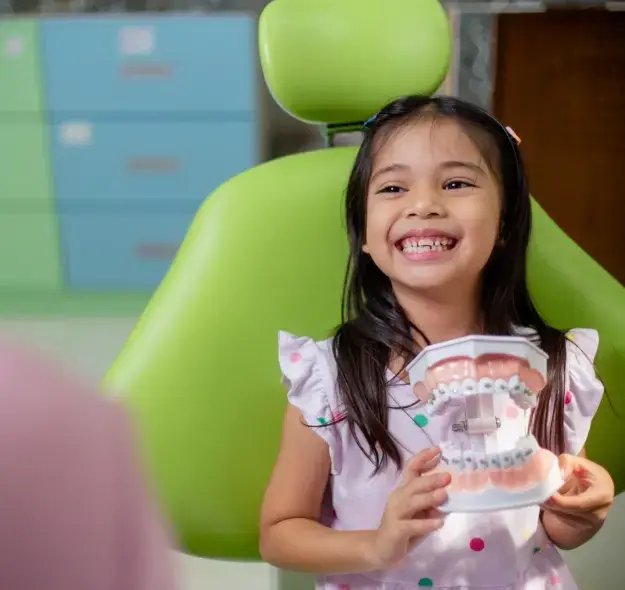
A visit to the dentist can feel overwhelming for some children. Unfamiliar sounds, dental instruments, or the thought of sitting still during treatment may cause nervousness, even when a child has never had a bad dental experience. For parents, watching a little one become anxious in the dental chair can be difficult, especially when dental treatment is necessary.
The good news is that children who feel nervous about dental care have options. Pediatric dental sedation can help certain children feel calmer and more comfortable during dental procedures. The right approach depends on the child’s age, medical history, level of anxiety, and the type of treatment needed.
At The Croc Doc: Dentistry Just For Kids, Dr. Todd M. Parco understands the importance of helping children feel safe and supported during dental visits. Learning about sedation options can help parents have a more informed conversation with their child’s dental team.
Why Do Some Children Need Dental Sedation?
Dental anxiety can develop for several reasons. A child may be afraid of unfamiliar surroundings, sensitive to sounds and sensations, or worried about experiencing discomfort. Children with special healthcare needs or difficulty remaining still may also need additional support during certain procedures.
Sometimes, simple reassurance and a gentle explanation are enough to help a child relax. In other cases, anxiety may make it difficult to complete necessary treatment safely and comfortably.
Dental sedation may be considered when a child has significant fear, needs extensive dental work, has difficulty cooperating because of their developmental stage, or requires treatment that would otherwise be particularly challenging.
Does every anxious child need sedation? No. Many children do well with patience, positive communication, breaks, and other child-friendly behavior guidance techniques. Sedation is considered only when appropriate for the individual child.
What Are the Different Pediatric Dental Sedation Options?
Pediatric dental sedation includes several approaches, ranging from minimal relaxation to deeper levels of dental sedation. Each option has different benefits, limitations, and safety requirements.
1. Nitrous Oxide (Laughing Gas)
Nitrous oxide is a commonly used option for helping children manage mild to moderate dental anxiety. It is a colorless gas delivered through a small mask placed over the nose.
Children remain awake and can usually communicate with the dental team throughout the procedure. The gas helps them feel more relaxed, and its effects generally wear off quickly after it is stopped, allowing many children to return to their usual activities soon afterward.
Nitrous oxide may be suitable for children who feel nervous but can breathe comfortably through their nose and tolerate the mask. The dentist will evaluate whether it is appropriate based on the child’s health and treatment needs.
2. Oral Sedation
Oral sedation involves medication given by mouth to help a child become calmer or drowsier during dental treatment. Depending on the medication and dose, the effects can range from mild relaxation to a deeper level of sedation.
Unlike nitrous oxide, oral sedation can take longer to begin working, and its effects may last for several hours. Children may become sleepy and less responsive, so careful monitoring is essential.
Oral sedation is not suitable for every child. The dental team must review the child’s medical history, current medications, and other relevant factors before recommending it. Parents must also follow all instructions about fasting, supervision, transportation, and recovery.
3. General Anesthesia
General anesthesia is a deeper form of anesthesia in which the child is unconscious and does not respond to stimulation during the procedure. It may be considered for extensive dental treatment, severe anxiety, certain special healthcare needs, or situations in which treatment cannot be completed safely using other approaches.
General anesthesia requires qualified anesthesia professionals, appropriate monitoring, and a suitable clinical setting. The team evaluates the child’s overall health and explains the potential benefits and risks before treatment.
Because general anesthesia involves more extensive preparation and recovery than minimal sedation, it is reserved for situations where the expected benefits justify the additional considerations.
Looking for a Children’s Dentist in El Paso?
Choosing a dental practice that understands children’s emotional needs can make a meaningful difference when your child feels nervous about treatment. Parents should feel comfortable discussing their child’s fears, previous dental experiences, and any medical concerns before deciding on an approach.
At The Croc Doc: Dentistry Just For Kids, Dr. Todd M. Parco focuses on children’s dental care and helping families understand their options.
Visit our dental office located at 7878 Gateway East Blvd Suite 100, El Paso, Texas 79915.
A conversation with your child’s dental team can help you understand which comfort measures may be appropriate and whether sedation should be considered.
Is Pediatric Dental Sedation Safe?
When appropriately selected and administered by qualified professionals, pediatric dental sedation can be provided with established safety precautions. However, no sedation method is completely risk-free.
Before treatment, the dental team should review your child’s medical history, allergies, medications, previous reactions to anesthesia, and any relevant breathing or sleep-related conditions. The team will determine the appropriate sedation level and monitoring requirements.
Depending on the method used, monitoring may include observing breathing, oxygen levels, heart rate, and responsiveness. The required safeguards vary with the depth of sedation and the child’s individual circumstances.
Parents should share all relevant health information honestly and follow pre-appointment instructions carefully. If anything about the planned procedure is unclear, ask the dental team to explain it before giving consent.
How Can Parents Prepare Their Child for a Sedation Appointment?
A little preparation can help children feel more secure before their visit. Explain the appointment using simple, reassuring language without making promises about exactly how the child will feel.
Follow the dental team’s instructions about food, drinks, medications, and arrival time. These directions are especially important when oral sedation or general anesthesia is planned.
Arrange for the required adult supervision and transportation after treatment. Depending on the sedation method, your child may feel sleepy, unsteady, or less coordinated for a period afterward. Follow the team’s recovery instructions and contact them if you have concerns.
Parents should also ask what to expect during recovery and which symptoms require immediate medical attention.
Helping Your Child Feel Confident About Dental Care
Dental anxiety does not have to prevent children from receiving the care they need. For some children, gentle communication and behavior guidance are enough. Others may benefit from an appropriate sedation option selected after a careful evaluation.
The most important step is to discuss your child’s concerns openly with the dental team. Ask about the available approaches, expected benefits, potential risks, monitoring, and recovery so you can make an informed decision together. Contact us today!
At The Croc Doc: Dentistry Just For Kids, Dr. Todd M. Parco recognizes that every child has different needs. With individualized care, thoughtful preparation, and appropriate comfort measures, families can take positive steps toward healthier smiles and more reassuring dental experiences.

New Patients and Emergency Appointments Welcome