Welcoming New Smiles!


Tooth Decay in Children: Causes, Treatment and Prevention
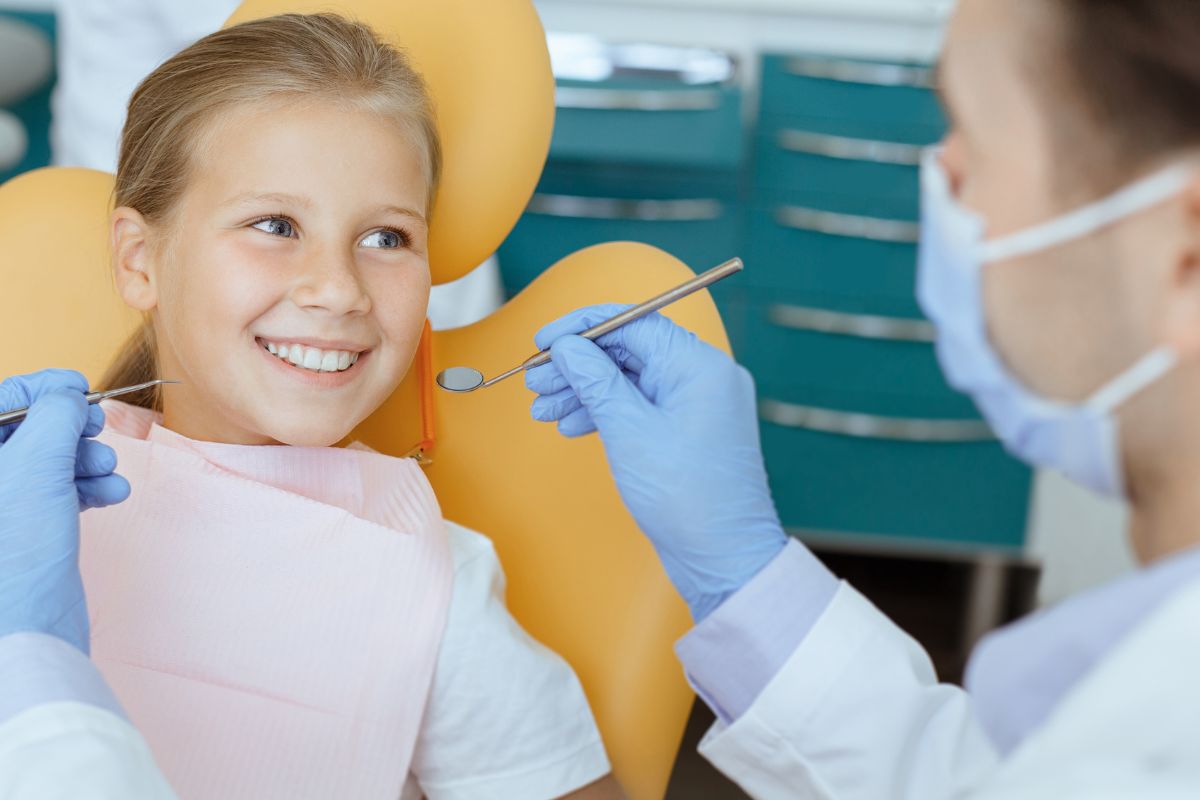
Tooth decay is one of the most common childhood health issues, yet it often develops quietly before parents notice anything is wrong. A small white spot on a tooth, a complaint about sensitivity, or reluctance to chew on one side can easily be missed in a busy routine. By the time pain appears, decay may already be advanced.
At The Croc Doc: Dentistry Just For Kids, we see how early dental habits at home can make a lifelong difference. The encouraging part is that tooth decay is highly preventable—and when it does occur, modern pediatric dentistry offers gentle and effective treatment options designed specifically for children.
This guide breaks down everything parents need to know about tooth decay in children: causes, treatment, and prevention, in a way that is practical, clear, and easy to apply at home.
What Exactly Is Tooth Decay in Children?
Tooth decay, also known as cavities or dental caries, happens when bacteria in the mouth produce acids that slowly break down the enamel—the protective outer layer of the tooth.
In children, this process can happen faster than in adults because:
- Baby teeth have thinner enamel
- Diets often include more frequent snacking or sugary drinks
- Brushing habits are still developing
- Saliva protection may be less consistent during sleep
Once enamel is damaged, the decay can move deeper into the tooth, affecting nerves and causing pain if untreated.
Causes of Tooth Decay in Children
Understanding what leads to decay is the first step in preventing tooth decay in children. Most cases don’t have a single cause but a combination of daily habits and biological factors.
1. Frequent sugar exposure
Sugary snacks, juice boxes, flavored milk, and sticky treats feed bacteria in the mouth. These bacteria then produce acid that attacks teeth for long periods, especially if sugar is consumed often throughout the day.
2. Inconsistent brushing habits
Many children brush too quickly or miss key areas like back molars. Without proper brushing twice a day, plaque builds up and hardens into tartar, increasing the risk of decay.
3. Bedtime bottle or sippy cup use
When milk or juice stays on teeth overnight, it creates a constant acid environment. This is one of the leading causes of early childhood cavities.
4. Lack of fluoride protection
Fluoride strengthens enamel and helps repair early damage. Without it, teeth are more vulnerable to acid attacks.
5. Deep grooves in teeth
Some children naturally have deeper pits and grooves in their molars, making it easier for food particles and bacteria to get trapped.
These factors often work together, which is why small daily habits matter more than parents realize.
Early Signs Parents Should Watch For
Tooth decay doesn’t usually start with pain. Instead, it begins quietly. Parents should look for early warning signs such as:
- White or chalky spots on teeth
- Sensitivity when eating sweets or cold foods
- Dark spots or visible holes
- Complaints about discomfort while chewing
- Bad breath that doesn’t improve with brushing
Catching decay at this stage can often mean simpler treatment and less discomfort for the child.
Treatment Options for Tooth Decay in Children
When decay is detected, treatment depends on how advanced it is. Pediatric dentists focus on preserving as much healthy tooth structure as possible while keeping the experience stress-free for children.
1. Fluoride treatments for early decay
If decay is in its earliest stage, fluoride varnish can sometimes reverse damage by strengthening enamel and stopping further breakdown.
2. Dental fillings
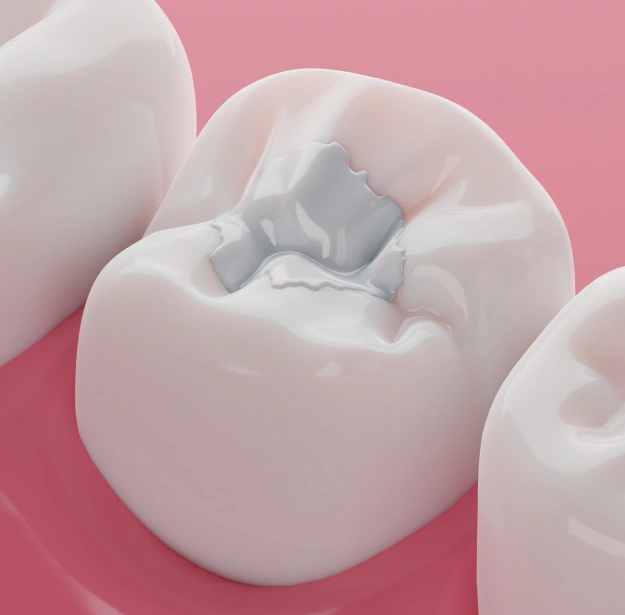
For small to moderate cavities, fillings are the most common solution. The decayed portion is removed and replaced with a safe dental material that restores the tooth’s function and shape.
3. Pediatric crowns
When decay is more extensive, especially in baby molars, a crown may be needed to protect the tooth. These crowns help maintain chewing function until the permanent tooth is ready to erupt.
4. Pulp therapy (nerve treatment)
If decay reaches the inner pulp of the tooth, a gentle procedure is performed to remove infection while preserving the tooth structure.
5. Tooth extraction (rare cases)
In severe cases where a tooth cannot be saved, extraction may be necessary. Space maintainers are often used afterward to ensure proper alignment of future teeth.
At The Croc Doc: Dentistry Just For Kids, treatments are always explained in a child-friendly way so both parents and children feel comfortable and informed throughout the process.
How to Prevent Tooth Decay in Children
Prevention is always easier than treatment. A few consistent habits at home can dramatically reduce the risk of cavities.
1. Build a simple brushing routine
Children should brush twice daily for two minutes using fluoride toothpaste. Parents should supervise brushing until at least age 7 or 8 to ensure proper technique.
2. Limit frequent snacking
It’s not just sugar that causes decay—it’s how often sugar is consumed. Continuous snacking keeps teeth under constant acid attack. Structured meal and snack times help reduce risk.
3. Encourage water as the main drink
Water helps rinse away food particles and neutralize acids. Replacing sugary drinks with water is one of the simplest protective habits.
4. Make flossing part of the routine
Once teeth touch, flossing becomes essential. It removes plaque between teeth where toothbrushes cannot reach.
5. Use fluoride regularly
Fluoride toothpaste and professional treatments help strengthen enamel and prevent early decay from progressing.
6. Schedule regular dental visits
Routine checkups allow early detection before cavities become painful or complicated.
The Role of Dental Visits in Prevention
Regular dental visits are not just about cleaning teeth—they are about monitoring growth, catching early signs of decay, and guiding parents on improving home care routines.
At The Croc Doc: Dentistry Just For Kids, preventive care is tailored specifically for children. Each visit helps track changes in tooth development and ensures that small issues are addressed before they become bigger concerns.
These visits also help children build comfort and familiarity with dental care, reducing anxiety over time.
Helping Children Build Healthy Habits Early
Children are more likely to adopt healthy habits when they feel involved in the process. Simple changes at home can make a big difference:
- Let them choose their toothbrush color
- Use a reward chart for consistent brushing
- Brush together as a family
- Turn brushing into a short, fun routine instead of a task
When oral care feels normal and consistent, children are far less likely to resist it.
Why Early Action Matters
One of the biggest challenges with tooth decay is that it often goes unnoticed until discomfort appears. By then, treatment can be more involved.
Early action allows for:
- Less invasive treatment
- Reduced discomfort for children
- Lower long-term dental costs
- Better protection of permanent teeth
Even small changes in habits today can prevent years of dental complications later.
Final Thoughts
Tooth decay in children is common, but it is also highly preventable with the right knowledge and daily habits. Understanding the causes, recognizing early signs, and staying consistent with prevention can protect your child’s smile for years to come.
If you have concerns about your child’s teeth or want a personalized prevention plan, visit The Croc Doc: Dentistry Just For Kids or book an appointment today. Early care today helps ensure a healthier, brighter smile tomorrow.
Frequently Asked Questions About Tooth Decay in Children
What causes tooth decay in children the most?
Tooth decay in children is most commonly caused by frequent exposure to sugary foods and drinks combined with inconsistent brushing. When sugars stay on the teeth, bacteria produce acids that slowly wear down enamel. Over time, this leads to cavities, especially if brushing and flossing are not done properly or regularly.
How can I tell if my child has early signs of tooth decay?
Early tooth decay often starts without pain, which is why it can be easy to miss. Parents should look for white or chalky spots on teeth, sensitivity to sweets or cold foods, or small dark areas forming on the tooth surface. If your child complains while chewing or develops persistent bad breath, it’s best to schedule a dental checkup.
Can tooth decay in baby teeth be ignored since they fall out anyway?
No, baby teeth should never be ignored. They play an important role in speech development, chewing, and holding space for permanent teeth. Untreated decay in baby teeth can lead to pain, infection, and alignment issues later on. Early treatment helps protect both current comfort and future dental health.
What is the best way to prevent cavities in children?
The best prevention includes brushing twice daily with fluoride toothpaste, limiting sugary snacks and drinks, encouraging water instead of juice, and maintaining regular dental visits. Professional cleanings and checkups help catch early signs of decay before they become serious problems.


New Patients and Emergency Appointments Welcome