Welcoming New Smiles!

Common Orthodontic Problems in Children and Their Treatment Options
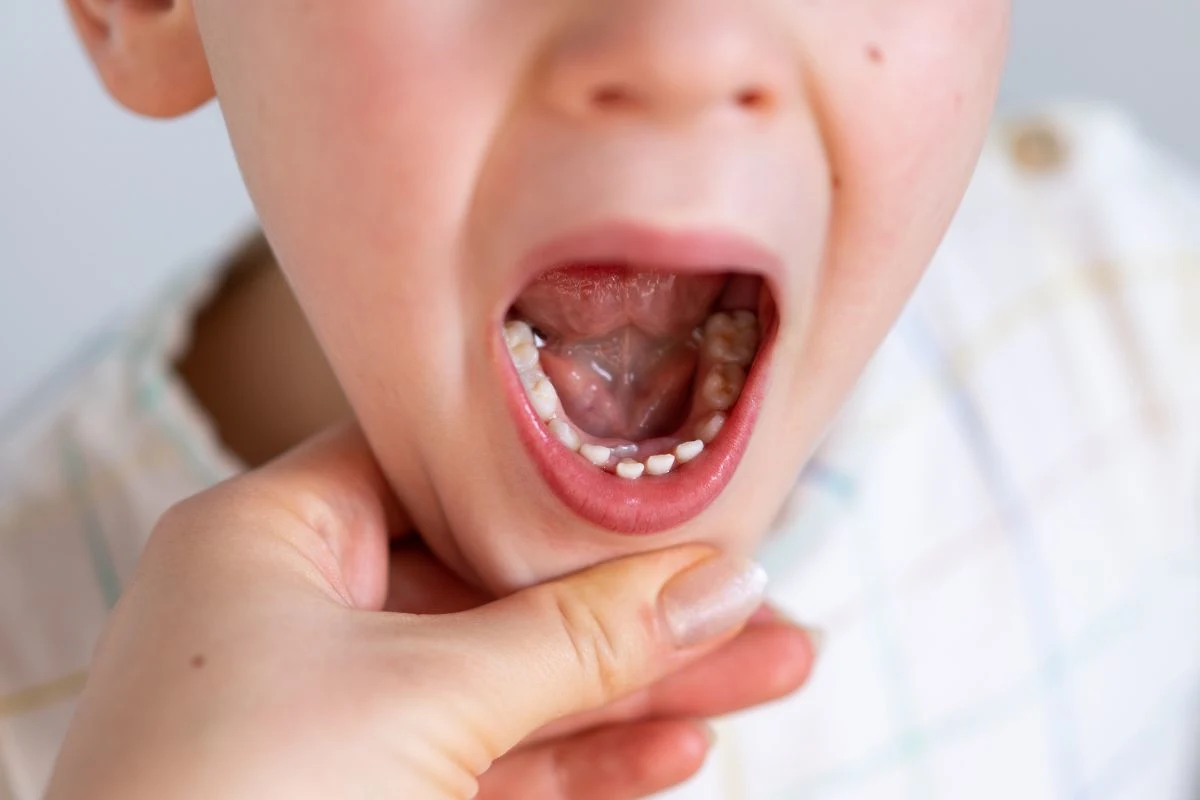
A healthy smile is about more than just cavity-free teeth. Proper alignment of the teeth and jaws plays a significant role in a child’s oral health, comfort, speech development, and self-confidence. While some orthodontic concerns are easy to spot, others develop gradually and may not become noticeable until they begin affecting a child’s bite or oral function.
Orthodontic problems are common during childhood because the teeth, jawbones, and facial structures are still developing. Early detection allows dental professionals to monitor growth patterns and recommend treatment when necessary. In many cases, addressing orthodontic issues at the right time can simplify treatment and improve long-term outcomes.
At The Croc Doc: Dentistry Just For Kids in El Paso, Texas, Dr. Todd M. Parco and Dr. Amir Aghili help families understand orthodontic concerns and guide them toward treatment options that support healthy, beautiful smiles.
Why Orthodontic Health Matters During Childhood
Children experience significant growth and development throughout their early years. As baby teeth fall out and permanent teeth emerge, the jaws continue to change shape and size. This process can sometimes result in alignment issues that affect both appearance and function.
Orthodontic problems are not solely cosmetic concerns. Misaligned teeth can make brushing and flossing more difficult, increasing the risk of tooth decay and gum disease. Bite problems may also contribute to uneven tooth wear, chewing difficulties, speech challenges, and jaw discomfort.
Monitoring orthodontic development during childhood helps identify concerns before they become more complex. Early intervention can often reduce the severity of future orthodontic problems and create a healthier foundation for adult teeth.
Crowded Teeth
One of the most common orthodontic issues in children is dental crowding. Crowding occurs when there is insufficient space within the jaw to accommodate all of the permanent teeth properly.
As permanent teeth erupt, they may become rotated, overlap neighboring teeth, or emerge in abnormal positions. Crowded teeth can make oral hygiene more challenging because certain surfaces become difficult to reach with a toothbrush or floss.
Treatment options vary depending on the severity of crowding and the child’s stage of development. Orthodontic appliances, space maintainers, expansion devices, and braces may all play a role in creating adequate room for proper alignment.
Spacing Problems and Gaps Between Teeth
While some spacing between baby teeth is normal and beneficial, excessive gaps between permanent teeth may indicate an orthodontic concern. Spacing problems can occur when teeth are missing, undersized, or improperly positioned.
Gaps between teeth may affect appearance and sometimes influence bite function. In certain situations, spacing can also allow neighboring teeth to shift out of alignment over time.
Treatment often focuses on guiding teeth into more desirable positions through orthodontic therapy. Depending on the underlying cause, braces, clear aligners, or other specialized appliances may be recommended.
Overbite
An overbite occurs when the upper front teeth excessively overlap the lower front teeth. Mild overbites are common and often do not require treatment. However, significant overbites can create functional and aesthetic concerns.
Children with pronounced overbites may experience increased wear on their teeth, difficulty biting into foods, or a greater risk of dental trauma. In some cases, jaw development may also be affected.
Orthodontic treatment can help improve the relationship between the upper and lower jaws. Depending on the child’s age and developmental stage, treatment may involve braces, growth-modification appliances, or other orthodontic techniques.
Underbite
An underbite occurs when the lower teeth extend in front of the upper teeth. This condition often results from differences in jaw growth patterns and may become more noticeable as a child develops.
Underbites can affect chewing, speech, and facial appearance. If left untreated, they may contribute to excessive tooth wear and jaw strain over time.
Early evaluation is especially important because growth modification techniques may be most effective while the child is still developing. Orthodontic treatment plans are customized based on the severity of the condition and the child’s age.
Crossbite
A crossbite occurs when some upper teeth sit inside the lower teeth rather than outside them when the mouth closes. This problem may affect a single tooth or multiple teeth.
Crossbites can contribute to uneven jaw growth, tooth wear, and bite dysfunction if not addressed. Children may also develop habits that alter jaw movement in response to the imbalance.
Treatment often focuses on correcting the relationship between the upper and lower arches. Palatal expanders, braces, and other orthodontic appliances are commonly used to achieve proper alignment.
Open Bite
An open bite occurs when the upper and lower teeth do not touch when the mouth is closed. This leaves a visible gap between the teeth, even when the jaws are together.
Several factors may contribute to open bites, including prolonged thumb sucking, tongue thrusting, pacifier use, or underlying growth patterns. Children with open bites may experience difficulty biting into foods or producing certain speech sounds.
Orthodontic treatment aims to improve tooth positioning and address contributing habits when necessary. Early intervention often improves treatment outcomes and reduces future complications.
Midway Through Your Child’s Orthodontic Journey
Parents often wonder when they should seek an orthodontic evaluation. The American Association of Orthodontists recommends that children receive an orthodontic assessment by age seven. This allows dental professionals to identify developing concerns and determine whether monitoring or treatment is appropriate.
Visit The Croc Doc: Dentistry Just For Kids in El Paso, Texas to learn more about how orthodontic evaluations can support your child’s long-term oral health. Early assessments do not always lead to immediate treatment, but they provide valuable information about growth and development.
Understanding your child’s orthodontic needs early can help you make informed decisions and avoid unnecessary delays in care.
Protruding Front Teeth
Some children develop front teeth that extend outward significantly from the dental arch. Protruding teeth may result from genetics, oral habits, or jaw discrepancies.
This condition can increase the risk of dental injuries because the front teeth are more exposed during falls, sports activities, and everyday accidents. Many parents seek treatment to improve both function and appearance.
Orthodontic treatment can reposition protruding teeth and improve overall bite alignment. Depending on the individual situation, braces or other appliances may be recommended.
Impacted Teeth
An impacted tooth is unable to erupt properly because it becomes blocked by surrounding teeth, bone, or soft tissue. While impacted wisdom teeth are common in adults, children can also experience impaction involving permanent teeth.
Impacted teeth may affect neighboring teeth and disrupt normal alignment. Early identification through dental examinations and X-rays helps determine the most appropriate course of action.
Treatment may involve orthodontic guidance, space creation, or coordination with additional dental specialists if necessary.
How Orthodontic Treatment Benefits Children
Orthodontic treatment offers benefits that extend well beyond appearance. Properly aligned teeth are easier to clean, which helps reduce the risk of cavities and gum disease. Improved bite relationships also support efficient chewing and comfortable jaw function.
Many children experience increased self-confidence after orthodontic treatment because they feel more comfortable smiling and interacting with others. These benefits can have a positive impact on social and emotional well-being throughout adolescence and adulthood.
Every child’s orthodontic needs are unique, which is why personalized treatment planning is essential for achieving optimal results.
The Importance of Regular Dental Visits
Routine dental visits play an important role in identifying orthodontic concerns before they become more severe. During regular examinations, dentists monitor tooth eruption patterns, jaw development, and bite relationships.
Parents often assume orthodontic issues will become obvious over time, but many problems are easier to manage when detected early. Consistent dental care allows professionals to track changes and recommend evaluations when appropriate.
Early awareness gives families more options and can contribute to more efficient treatment experiences.
Helping Your Child Achieve a Healthy Smile
Orthodontic problems are common during childhood, but they are also highly treatable. Understanding the signs of crowding, bite problems, spacing concerns, and other alignment issues can help parents make informed decisions about their child’s dental health.
At The Croc Doc: Dentistry Just For Kids in El Paso, Texas, Dr. Todd M. Parco and Dr. Amir Aghili are committed to helping children develop healthy, confident smiles through comprehensive dental care and early orthodontic monitoring.
If you have concerns about your child’s teeth or bite alignment, schedule an appointment today with your dentist. Early evaluation and guidance can help ensure your child receives the care they need for a healthy smile that lasts a lifetime.
New Patients and Emergency Appointments Welcome