Welcoming New Smiles!


Hidden Dangers of Untreated Baby Tooth Decay and How to Protect Your Child’s Smile
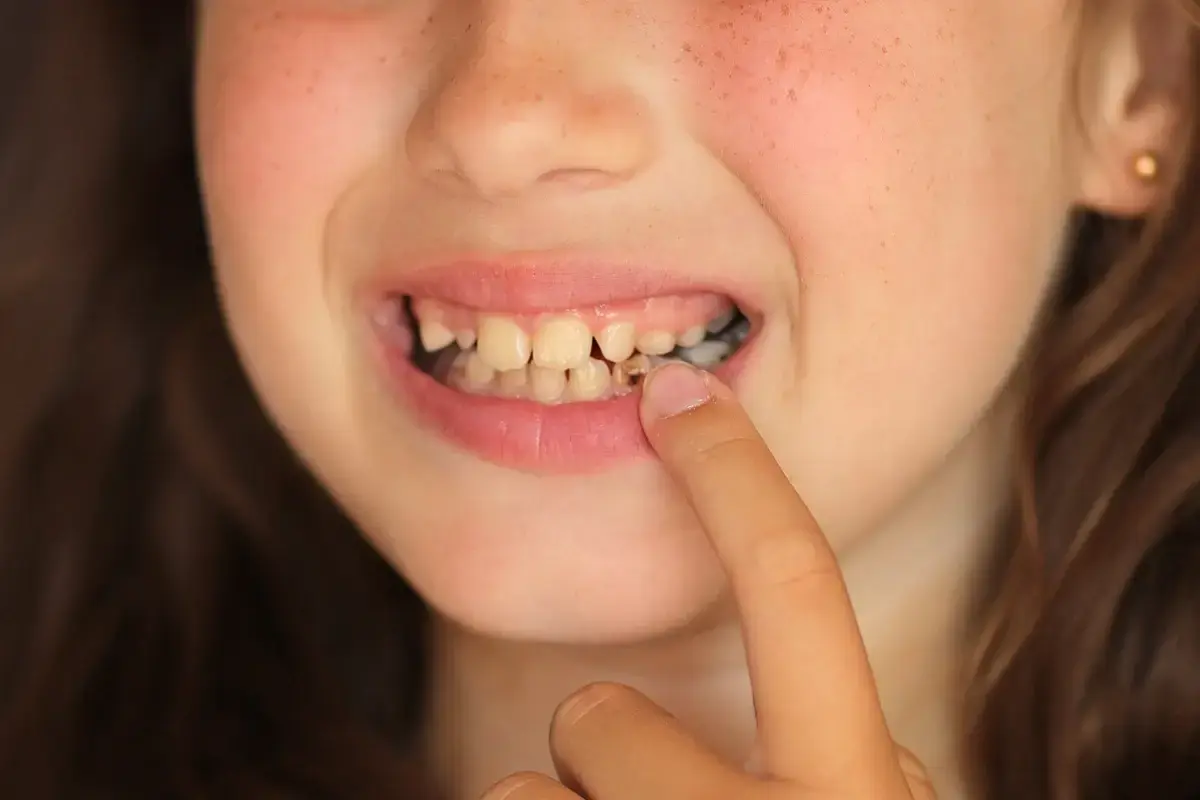
As pediatric dental professionals, one of the most frequent questions we hear from parents in our practice is: “If baby teeth are just going to fall out anyway, why do we need to fill or treat cavities in them?” It is an understandable question. Parents naturally wonder if investing time and treatment into a primary tooth that will eventually loosen and drop out is truly necessary. However, from a clinical standpoint, leaving cavities untreated in primary teeth can lead to severe pain, systemic infection, premature tooth loss, and long-term damage to adult teeth.
At The Croc Doc: Dentistry Just For Kids, our dedicated pediatric dentists, Dr. Todd M. Parco and Dr. Amir Aghili, provide gentle, specialized care designed to keep young smiles healthy while educating families on effective tooth decay prevention in El Paso. In this comprehensive guide, we will break down the crucial role baby teeth play, what happens when cavities are ignored, and how early intervention protects your child’s health and development.
The Vital Role of Primary Teeth in Child Development
It is easy to view primary teeth as temporary placeholders, but biologically, they serve fundamental functions during your child’s developmental years. Children rely on their primary teeth from infancy until early adolescence, a span of more than a decade. During this pivotal time, healthy baby teeth are essential for several key areas of growth:
Natural Space Maintainers for Permanent Teeth
Primary teeth act as precise guides for permanent adult teeth developing inside the jawbone. When a baby tooth remains healthy and drops out naturally at its designated time, the adult tooth beneath it can emerge into its proper position. If a baby tooth is lost prematurely due to severe tooth decay, surrounding teeth tend to shift or tilt into the open space. This blockage forces permanent teeth to erupt crookedly or become impacted, frequently leading to extensive orthodontic treatment later in life.
Chewing and Proper Nutrition
Effective mastication is the first step in digestion. Teeth that are broken down or painful from dental caries make chewing difficult and uncomfortable. Children suffering from cavity pain often begin avoiding fiber-rich, crunchy, or nutritious foods like apples, fresh vegetables, and lean meats, turning instead to softer, highly processed carbohydrates that further aggravate dental problems and impair balanced nutritional intake.
Speech Development and Pronunciation
Your child learns to pronounce words, master phonetic sounds, and build clear language habits using their tongue, lips, and primary front teeth. Missing or severely damaged primary front teeth can lead to speech impediments, lisping, or improper tongue placement that can be difficult to correct once established.
Facial Structure and Bone Growth
Healthy tooth roots stimulate the surrounding jawbone tissue every time a child chews. This mechanical stimulation encourages normal bone density and healthy facial skeletal development. Furthermore, maintaining a full, bright smile gives young children a strong sense of self-esteem and social confidence during crucial formative years.
Why Cavities Progress Faster in Baby Teeth
A common misconception is that a small cavity on a baby tooth can simply be watched until the tooth falls out. Structurally, primary teeth are significantly different from adult teeth.
- Thinner Enamel Shell: The hard outer enamel layer of a baby tooth is approximately half as thick as the enamel on a permanent tooth.
- Softer Dentin: Beneath the thin enamel lies dentin, which is also softer in primary teeth.
- Larger Pulp Chambers: The nerve center (pulp) inside a primary tooth is proportionally much larger and situated closer to the outer surface.
Because of this anatomical reality, decay that takes years to reach the nerve of an adult tooth can penetrate the pulp of a baby tooth in just a few short months. What begins as a subtle, painless white spot or small groove can quickly escalate into a deep cavity, reaching the nerve and causing acute toothaches.
When parents prioritize proactive oral hygiene routines and professional tooth decay Prevention in El Paso, they stop these micro-lesions before they ever reach the delicate inner structures of the tooth.
The Direct Risks of Ignoring Baby Tooth Cavities
When a baby tooth cavity goes untreated, decay does not spontaneously stop; it spreads. Ignoring primary caries exposes your child to several serious health consequences:
Acute Pain and Infection
Dental pain from an infected tooth root can be agonizing for a young child. It disrupts sleep at night, causes irritability, decreases focus in school, and compromises daily routines. Left unaddressed, bacterial decay moves past the tooth root into surrounding soft tissues, resulting in painful dental abscesses, facial swelling, or severe systemic infections that may require emergency hospitalization or intravenous antibiotics.
Damage to the Underlying Permanent Tooth
Permanent teeth develop directly beneath the roots of primary teeth inside the jaw. When a primary tooth develops a chronic root infection, bacterial pus and localized inflammation surround the developing adult tooth bud. This exposure can ruin the developing permanent enamel, leaving the adult tooth permanently discolored, pitted, or structurally weakened before it even emerges.
Premature Tooth Loss and Orthodontic Complications
When decay destroys too much tooth structure, a pediatric dentist may have no choice but to extract the tooth. Extracting a primary molar years before its natural shed date disrupts jaw alignment. Space maintainers can help hold the gap open, but saving the natural tooth whenever possible remains the absolute gold standard for proper oral growth.
Modern, Child-Centered Treatments at The Croc Doc
At The Croc Doc: Dentistry Just For Kids, our focus is always on gentle, conservative care that preserves your child’s natural teeth whenever possible while ensuring complete comfort. Depending on how early a cavity is identified, our pediatric specialists utilize tailored restorative approaches:
Pediatric Dental Fillings
For minor to moderate cavities that have not reached the inner nerve, we gently clear away the decayed area and place tooth-colored composite resin fillings. These restorations restore full chewing strength and blend seamlessly with surrounding natural enamel.
Pediatric Crowns (Caps)
When decay is extensive or involves multiple surfaces of a primary molar, a standard filling may not offer sufficient strength. In these situations, we utilize durable pediatric crowns to completely cover and protect the remaining tooth structure, keeping the tooth functional until it sheds naturally.
Pulpotomy (Baby Tooth Nerve Treatment)
If bacterial decay reaches the top section of the tooth pulp, a pulpotomy is performed. We carefully remove the inflamed tissue within the upper crown portion, apply a soothing antibacterial medication to preserve the healthy root nerves below, and seal the tooth with a protective crown. This procedure eliminates pain and saves a tooth that would otherwise require extraction.
In-Office Comfort and Sedation Options
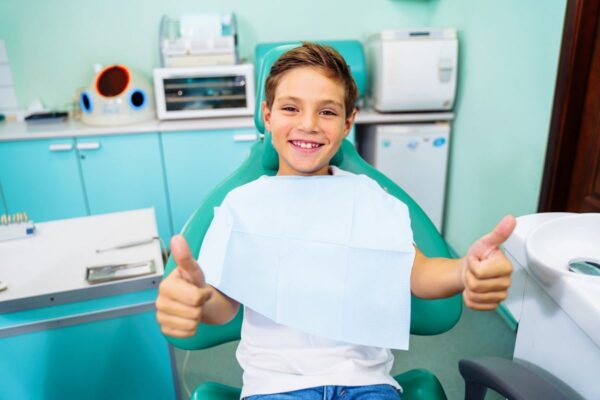
We understand that medical environments can occasionally feel intimidating for young patients. Our El Paso facility offers a full spectrum of pediatric comfort options, ranging from calming nitrous oxide (laughing gas) to mild sedation and general anesthesia, allowing every procedure to be completed safely and stress-free.
Daily Steps for Long-Term Oral Health
Preventing cavities before they form is always the primary objective of modern pediatric dentistry. Developing robust daily hygiene habits at home lays the foundation for a lifetime of healthy smiles.
Key preventative steps for parents include:
- Establish Brushing Habits Early: Begin cleaning your infant’s gums with a soft, damp cloth right after feedings. As soon as the first tooth erupts, transition to a small, soft-bristled toothbrush twice daily. Use a smear of fluoridated toothpaste (the size of a grain of rice) for children under age 3, expanding to a pea-sized amount for children aged 3 to 6.
- Supervise and Assist: Children lack the manual dexterity needed to clean every surface thoroughly until roughly age 7 or 8. Parents should continuously supervise and assist with evening brushing and daily flossing between teeth.
- Be Mindful of Diet and Nighttime Bottles: Frequently sipping on fruit juices, milk, or sweetened beverages throughout the day, or sending a child to bed with a bottle containing anything other than plain water, allows sugars to pool around teeth for hours. This environment fuels cavity-causing bacteria.
- Partner in Prevention: Scheduling routine dental checkups every six months allows pediatric specialists to detect enamel demineralization long before it turns into a structural cavity. Establishing a dedicated dental home early is the single most effective action you can take toward tooth decay Prevention in El Paso.
Protect Your Child’s Smile at The Croc Doc
Baby teeth may eventually fall out, but their impact on your child’s growth, nutrition, speech, and permanent tooth alignment lasts a lifetime. Treating primary tooth cavities promptly stops pain, prevents severe infections, and protects the long-term health of emerging adult teeth.
At The Croc Doc: Dentistry Just For Kids, Dr. Todd M. Parco, Dr. Amir Aghili, and our compassionate team are dedicated to making every dental appointment positive, educational, and fun. Whether your child needs their very first wellness checkup, preventive treatments, or gentle restorative care, we are here to support your family every step of the way.
Schedule your child’s appointment today
Frequently Asked Questions (FAQ)
The American Academy of Pediatric Dentistry recommends scheduling your child’s initial dental visit when their first tooth appears, or no later than their first birthday. Early visits allow pediatric dentists to monitor developmental milestones, guide parents on proper hygiene, and establish a comfortable relationship before any dental issues arise.
Yes. Modern digital pediatric X-rays use extremely low radiation doses paired with protective lead aprons. X-rays allow dentists to spot hidden decay occurring between tight back molars long before it becomes visible to the naked eye.
Dental sealants are thin, protective resin coatings applied directly to the deep grooves and pits of back chewing teeth (molars). They seal out food debris and bacteria, providing a durable shield that significantly boosts tooth decay Prevention for growing children.
New Patients and Emergency Appointments Welcome