Welcoming New Smiles!

Common Teeth Alignment Problems in Children and Treatment Options

Watching your child’s smile change over the years can be fascinating. One month, a few baby teeth may be wiggly, and before you know it, permanent teeth are beginning to appear. As this transition happens, parents sometimes notice that a tooth looks crowded, the upper and lower teeth do not meet evenly, or the jaw seems to sit differently when the child bites down.
These changes can raise an important question: Is this a normal part of growing, or does my child need orthodontic treatment?
There is no single answer because every child develops differently. Some alignment issues naturally improve as the jaws and permanent teeth develop, while others may benefit from monitoring or treatment. A children’s dentist can evaluate how your child’s teeth and jaws are developing and recommend the appropriate next step.
At The Croc Doc: Dentistry Just For Kids, Dr. Todd M. Parco helps families understand their children’s developing smiles and identify concerns that may need attention.
Why Does Tooth Alignment Matter?
Tooth alignment affects more than the appearance of a smile. The way the upper and lower teeth come together can influence chewing, speech, oral hygiene, and the way the jaw functions.
When teeth are crowded or overlap significantly, brushing and flossing between them may become more difficult. Areas that are hard to clean can allow plaque to accumulate, potentially increasing the risk of tooth decay and gum problems.
Some alignment concerns involve the relationship between the jaws rather than the position of individual teeth. A developing bite can change considerably as a child grows, which is one reason regular dental examinations are useful.
The goal is not to make every child’s smile look identical. Instead, dental professionals look at how the teeth and jaws are developing and whether an alignment problem could affect oral health or function.
Crowded Teeth
Crowding is one of the most familiar alignment problems parents notice. It occurs when there is not enough space for teeth to fit properly within the dental arch.
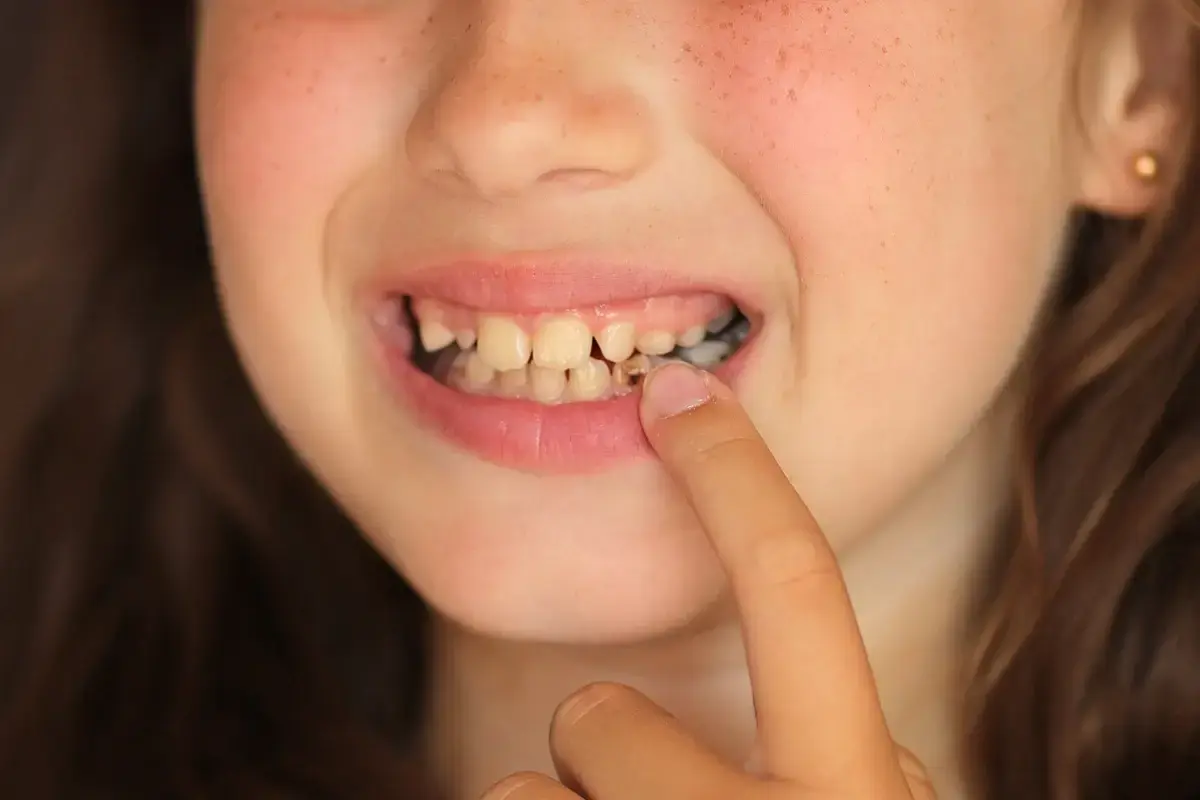
A crowded smile may have teeth that overlap, rotate, or appear to come in behind or in front of neighboring teeth. Parents may notice crowding when permanent front teeth begin erupting.
Sometimes early crowding is temporary. As a child’s jaws grow and additional permanent teeth emerge, the available space can change. In other situations, there may be a persistent lack of room that requires orthodontic evaluation.
Treatment depends on the child’s age, the severity of crowding, and the development of the permanent teeth. A dentist or orthodontist may recommend observation, space management, or orthodontic treatment when appropriate.
Spacing Between Teeth
Not every gap is a problem. In fact, spaces between baby teeth are often completely normal and can provide room for larger permanent teeth.
However, noticeable spacing can sometimes remain after permanent teeth erupt. Gaps may be related to tooth size, jaw size, missing teeth, or certain oral habits.
One commonly recognized space is the gap between the upper front teeth, known as a diastema. In younger children, this space may close naturally as other permanent teeth develop.
Rather than assuming that every gap requires braces, a dental professional can monitor the child’s growth and determine whether the spacing is expected to resolve on its own.
Overbite
An overbite describes a situation in which the upper front teeth extend vertically over the lower front teeth when the mouth is closed.
A small amount of vertical overlap is normal. The concern depends on how pronounced the overlap is and whether it affects function or the health of the teeth and surrounding tissues.
Certain childhood habits, including prolonged thumb or finger sucking, can influence the developing bite in some children. Genetics and jaw growth can also play a role.
If an overbite appears significant, the dental team may monitor it as the child grows or recommend an orthodontic evaluation. Treatment can vary depending on the child’s development and the underlying cause.
Underbite
An underbite occurs when the lower front teeth sit in front of the upper front teeth when the child bites down.
Underbites can involve the position of the teeth, the relationship between the upper and lower jaws, or a combination of factors. Because jaw growth continues throughout childhood and adolescence, timing can be an important part of managing certain bite concerns.
An underbite does not necessarily mean that immediate treatment is required. A child’s dental provider can evaluate the developing bite and determine whether monitoring or early intervention would be appropriate.
Crossbite
A crossbite occurs when one or more upper teeth bite inside the lower teeth instead of outside them.
Crossbites can occur toward the front or sides of the mouth. Parents may notice that a child’s jaw appears to shift when they bite down or that certain teeth do not line up as expected.
Depending on the type and cause of the crossbite, treatment may involve an orthodontic appliance designed to guide tooth or jaw development. Early evaluation can be helpful because the dentist can assess the bite while the child’s jaws are still developing.
Open Bite
An open bite occurs when certain upper and lower teeth do not touch when the child closes their mouth.
An open bite may be associated with oral habits such as thumb or finger sucking, tongue positioning, or other developmental factors. The appropriate approach depends on why the open bite developed and whether the contributing habit continues.
For some children, addressing the underlying habit may be an important part of treatment. Others may eventually need orthodontic care to guide the teeth into a healthier position.
When Should Parents Have Their Child’s Alignment Checked?
Parents do not have to wait until all of their child’s permanent teeth have erupted to ask about alignment.
A dental examination during childhood allows the dentist to observe changes over time. If something appears unusual, the child can be monitored or referred for an orthodontic evaluation when appropriate.
Consider bringing up the subject if you notice:
- Significant tooth crowding or overlapping
- Persistent gaps between permanent teeth
- Difficulty biting or chewing
- A jaw that shifts when your child closes their mouth
- Upper teeth sitting noticeably behind the lower teeth
- A pronounced overbite
- Teeth erupting in an unusual position
- Persistent thumb or finger-sucking habits
- Difficulty closing the lips comfortably
These signs do not automatically mean that treatment is necessary. They simply give parents a reason to ask questions and have the child’s development evaluated.
Treatment Options for Children
Once an alignment concern has been identified, the treatment plan depends on several factors. The child’s age, dental development, type of bite problem, severity of the issue, and overall oral health all matter.
Monitoring: Some alignment concerns can be observed over time. This is particularly relevant when permanent teeth are still erupting and the jaws are continuing to grow.
Habit management: If a habit such as thumb sucking is contributing to an alignment issue, addressing that habit may help support healthier development.
Space management: In some cases, dental professionals may use strategies to preserve or create appropriate space for permanent teeth.
Orthodontic appliances: Depending on the problem, children may benefit from appliances designed to influence tooth position, jaw development, or the width of the dental arch.
Braces or clear orthodontic appliances: When more comprehensive tooth movement is needed, an orthodontist may recommend braces or another orthodontic system.
Not every child needs the same approach. Sometimes the best treatment is to wait and watch. In other cases, addressing an issue earlier can be beneficial.
Looking for a Children’s Dentist in El Paso?
If you have noticed changes in your child’s bite or tooth alignment, a conversation with a children’s dentist can provide useful perspective. A professional examination can help distinguish between normal developmental changes and concerns that deserve closer attention.
For families seeking children’s dental care in El Paso, The Croc Doc: Dentistry Just For Kids provides a child-focused environment where parents can discuss concerns about their child’s growing smile with Dr. Todd M. Parco.
Visit our dental office located at 7878 Gateway East Blvd Suite 100 El Paso, Texas 79915.
Having a familiar dental team monitor your child’s teeth over time can make it easier to notice changes and decide when additional evaluation may be useful.
Can Alignment Problems Be Prevented?
Some alignment characteristics are influenced by genetics and jaw development, so they cannot always be prevented. However, parents can support healthy oral development in several ways.
Helping children maintain good brushing and flossing habits is important, particularly when teeth overlap or are difficult to clean. Regular dental visits also allow the dental team to monitor eruption and identify potential concerns.
It is also worth discussing persistent oral habits with your child’s dentist. Thumb or finger sucking, for example, can affect the developing bite in some children, particularly when the habit continues for an extended period.
The key is not to blame a child for an alignment concern. Development is complicated, and many factors can contribute to the way a child’s teeth and jaws grow.
What Parents Can Do Next
Seeing a crooked tooth or unusual bite can make any parent wonder whether something is wrong. The most useful response is usually not to panic or immediately assume that braces are needed.
Instead, start with an examination.
A children’s dentist can look at your child’s teeth, gums, bite, jaw development, and eruption pattern. If orthodontic treatment may be helpful, the dentist can explain why and discuss whether an orthodontic referral is appropriate.
Most importantly, remember that early evaluation does not always mean early treatment. Sometimes it simply means having a professional keep an eye on your child’s development.
A growing smile changes quickly. With regular dental care and appropriate monitoring, parents can stay informed about those changes and make decisions based on their child’s individual needs.
At The Croc Doc: Dentistry Just For Kids, Dr. Todd M. Parco is committed to helping children maintain healthy smiles while giving parents clear information about their dental development. If you have questions about crowding, spacing, an unusual bite, or another alignment concern, bringing it up at your child’s next dental visit is a simple place to begin.
Frequently Asked Questions
Common alignment concerns include crowded teeth, gaps, overbite, underbite, crossbite, and open bite. Some issues improve naturally as a child’s teeth and jaws develop, while others may require monitoring or orthodontic treatment.
A child’s alignment can be assessed during routine dental visits. Parents should mention concerns such as crowded teeth, difficulty biting or chewing, unusual tooth eruption, or a noticeable shift in the jaw when their child bites.
No. Crooked or crowded teeth do not always require immediate orthodontic treatment. Depending on the child’s age and dental development, a dentist may recommend monitoring, early intervention, or an orthodontic evaluation.
Prolonged thumb or finger sucking can influence the developing teeth and bite in some children. If the habit continues as permanent teeth develop, it is worth discussing with a children’s dentist.
Treatment varies depending on the type and severity of the alignment concern. Options may include monitoring, habit management, space management, orthodontic appliances, braces, or other orthodontic treatment when appropriate.
New Patients and Emergency Appointments Welcome