Welcoming New Smiles!

Is Your Child Biting Their Cheek or Tongue? Here’s What It Can Mean
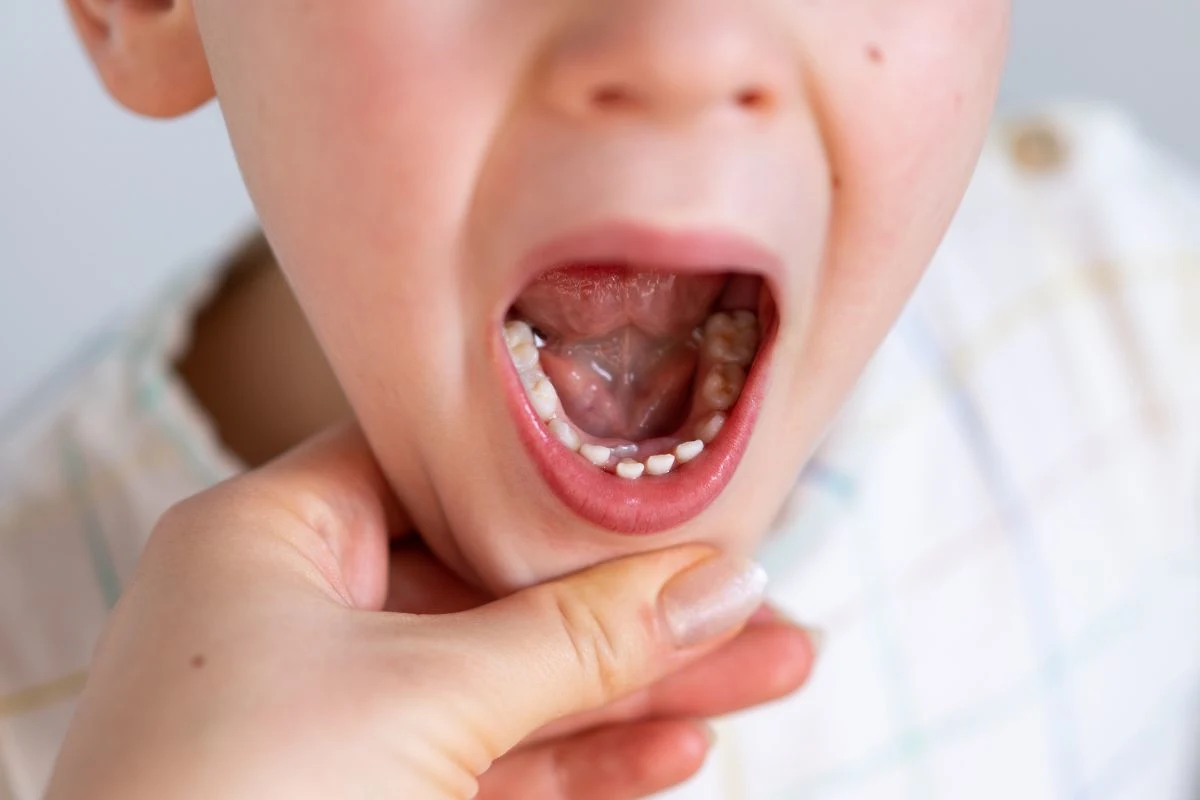
Children occasionally bite the inside of their cheeks or tongue while eating, talking, or playing. An accidental bite every now and then usually is not a reason for concern. However, repeated cheek or tongue biting can leave the mouth sore, make eating uncomfortable, and sometimes point to an underlying dental or behavioral issue.
Parents may notice a red or white patch inside the cheek, a small sore along the side of the tongue, or a child complaining that a certain area hurts. Some children may not even realize they are biting the same spot repeatedly.
At The Croc Doc: Dentistry Just For Kids, Dr. Todd M. Parco and Dr. Amir Aghili provide pediatric dental care for infants, children, and teens in El Paso, with an emphasis on comfortable, child-focused dental experiences. If your child frequently bites their cheeks or tongue, visit our El Paso dental office so we can examine their teeth, bite, and oral tissues and determine what may be contributing to the problem.
Why Do Children Bite Their Cheeks or Tongue?
Cheek and tongue biting can happen for several reasons. Sometimes, it is simply an accident caused by chewing too quickly. In other cases, tooth position, changes in the developing bite, stress-related habits, or temporary numbness following dental treatment may contribute.
From a pediatric dental perspective, the important question is not whether a child has bitten their cheek once, but why the same area keeps getting injured.
Repeated biting deserves attention because ongoing irritation can prevent the tissue from healing and make the area increasingly uncomfortable.
1. Accidental Biting While Eating
One of the simplest explanations is accidental biting during a meal. Children are still developing coordination between their jaws, tongue, cheeks, and teeth.
Eating quickly, laughing or talking with food in the mouth, or chewing unusually hard foods can increase the likelihood of accidentally catching the cheek or tongue between the teeth.
An isolated injury typically improves as the tissue heals. Parents should pay closer attention when bites occur frequently or consistently affect the same location.
2. Changes as New Teeth Erupt
A child’s mouth changes considerably as baby teeth fall out and permanent teeth emerge. During this mixed-dentition period, children have to adjust to teeth of different sizes and positions.
A newly erupted tooth can temporarily change the way the upper and lower teeth meet. Your child’s tongue and cheeks also need time to adapt to the changing space inside the mouth.
If biting becomes frequent during this stage, a pediatric dentist in El Paso can examine tooth eruption and determine whether normal development or another dental issue is involved.
3. Crowded or Misaligned Teeth
Tooth alignment can influence how the cheeks and tongue sit when a child closes their mouth.
Crowded, rotated, or unusually positioned teeth may bring soft tissue closer to the chewing surfaces. As a result, part of the cheek or tongue may occasionally become trapped when the child bites down.
Parents may notice that the injury repeatedly appears in exactly the same place.
This does not automatically mean orthodontic treatment is necessary. A dental examination can help determine whether alignment is contributing and whether the issue should simply be monitored as the child grows.
4. Bite Problems
The relationship between the upper and lower teeth is known as the occlusion, or bite. Developing bite problems can affect how the jaw closes and where the tongue and cheeks rest.
Examples include:
- Crossbites
- Deep bites
- Open bites
- Significant crowding
- Teeth erupting outside their expected positions
The American Academy of Pediatric Dentistry emphasizes monitoring developing dentition and occlusion as part of comprehensive pediatric oral healthcare. Early identification allows the dentist to determine whether a developing concern requires observation or intervention.
5. Cheek Biting Can Become an Unconscious Habit
Some children develop repetitive oral habits without realizing they are doing them. They may chew the inside of the cheek while concentrating on homework, watching television, reading, playing video games, or feeling bored.
Chronic biting or chewing of the oral tissues is sometimes referred to clinically as morsicatio. It can affect the cheek, lips, or sides of the tongue.
Repeated friction may make the tissue look:
- White or rough
- Shredded along the surface
- Red or irritated
- Slightly thickened
- Tender after repeated biting
Simply telling a child to stop may not resolve an unconscious habit. Identifying when the behavior occurs can be a useful first step.
6. Stress, Anxiety, or Concentration
Oral habits can sometimes become more noticeable during periods of stress, nervousness, or intense concentration. Similar to nail biting or lip chewing, cheek biting may become a repetitive response that a child performs automatically.
Parents can observe whether the behavior appears more frequently before school, during homework, while concentrating, or during emotionally challenging situations.
Avoid criticizing or repeatedly scolding the child. Instead, gently make them aware of the habit and discuss persistent behavior with their dental or healthcare professional.
7. Numbness After Dental Treatment
Children may accidentally injure their lips, cheeks, or tongue after a dental procedure involving local anesthesia.
When these tissues are numb, a child may chew, suck, pinch, or bite them because the sensation feels unusual. Since they cannot properly feel the area, they may continue long enough to cause significant irritation.
After dental treatment involving numbness, parents should supervise younger children carefully. Follow the dental team’s instructions regarding eating and chewing until normal sensation returns.
If your child develops substantial swelling, an unusual wound, or significant discomfort after biting numb tissue, contact the dental office for guidance.
8. Sharp or Damaged Teeth
A chipped, fractured, or unusually sharp tooth can repeatedly rub against nearby soft tissue.
A child might describe the tooth as feeling “pointy,” or parents may notice that a sore keeps developing next to one particular tooth. Sometimes, a rough dental restoration can also irritate surrounding tissues.
A pediatric dentist in El Paso can examine the area to identify whether a tooth surface or restoration is contributing to repeated trauma.
What Does Repeated Cheek Biting Look Like?
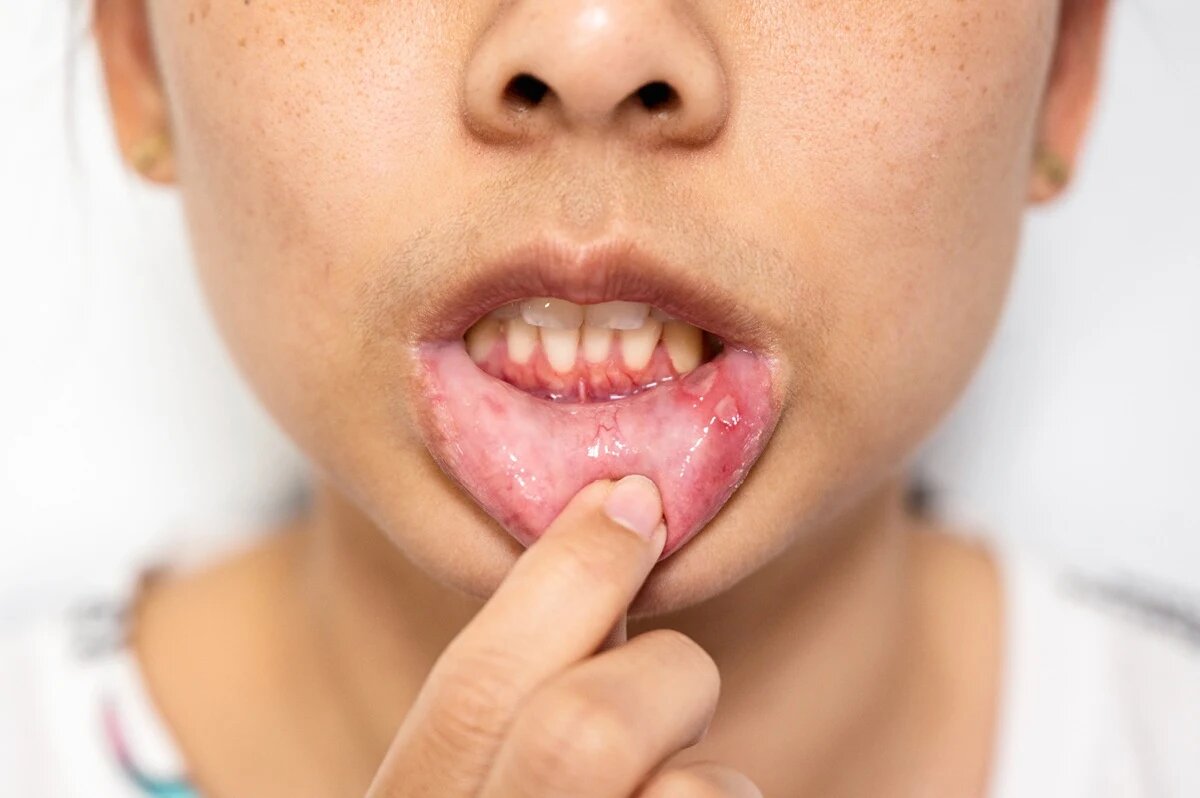
The appearance depends on how often and how forcefully your child bites the tissue. Mild irritation may cause temporary redness, while chronic chewing can produce rough or whitish tissue.
You may notice:
- A sore along the biting line of the cheek
- Rough white tissue inside the mouth
- Small cuts or ulcers
- A swollen section of the tongue
- Tenderness while eating
- Sensitivity to acidic or spicy foods
- Bleeding after a stronger bite
Because several oral conditions can produce sores or white patches, avoid assuming that every lesion is caused by biting. Persistent or unexplained changes should be professionally examined.
How Can Parents Help a Child Stop Biting Their Cheeks or Tongue?
The appropriate approach depends on the cause.
Observe When It Happens
Keep track of when you notice the behavior. Does your child bite their cheek while eating, studying, playing games, or feeling nervous? Does the injury always occur on the same side?
These details can help during a dental evaluation.
Encourage Slower Eating
Ask your child to take smaller bites and chew carefully, particularly if accidental biting frequently occurs during meals. Discourage talking, laughing, or rushing while chewing.
Avoid Irritating an Existing Sore
While injured tissue heals, spicy, acidic, crunchy, or very salty foods may cause discomfort. Softer foods may be easier to tolerate temporarily.
Do Not Encourage Picking at the Area
Children sometimes touch a sore repeatedly with their tongue, fingers, or teeth. This can further irritate healing tissue. Encourage your child to leave the area alone whenever possible.
Schedule a Dental Evaluation
When the problem keeps returning, an examination can help identify whether tooth eruption, alignment, bite development, or another oral issue is involved.
When Should Parents Be Concerned About Tongue or Cheek Biting?
Occasional accidental biting usually heals without complications. Recurrent injuries deserve closer attention.
Consider arranging an evaluation if:
- Your child repeatedly bites the same area
- The injury causes ongoing pain
- A sore does not appear to be healing
- Eating or speaking becomes uncomfortable
- There is substantial swelling or bleeding
- A tooth feels sharp or appears damaged
- Your child develops repeated ulcers or unusual patches
- You suspect their bite or tooth alignment is involved
Visiting a pediatric dentist in El Paso can help distinguish a simple oral habit from a dental issue that needs monitoring or treatment.
Why Early Evaluation Matters for Growing Smiles
Children’s mouths change rapidly. Baby teeth are lost, permanent teeth erupt, jaws develop, and bite relationships evolve throughout childhood and adolescence.
Routine pediatric dental visits provide an opportunity to monitor these changes rather than waiting until a problem becomes painful.
At The Croc Doc, we look beyond an individual sore. When repeated biting is a concern, evaluating the teeth, surrounding tissues, eruption patterns, and developing bite can provide a clearer picture of what is happening.
Help Your Child Break the Cycle of Repeated Mouth Injuries
Most accidental cheek and tongue bites are temporary. Frequent biting, however, should not simply become something your child learns to live with. Identifying the trigger can help protect sensitive oral tissues and make eating, speaking, and everyday activities more comfortable.
If your child repeatedly bites their cheek or tongue, schedule a visit with The Croc Doc: Dentistry Just For Kids. Our team can evaluate your child’s growing smile and help determine the next appropriate step. Families looking for a pediatric dentist in El Paso can visit our kid-focused dental office at 7878 Gateway East Blvd, Suite 100, El Paso, TX 79915.
Frequently Asked Questions About Cheek and Tongue Biting in Children
Occasional cheek biting is common, especially while children eat quickly or adjust to newly erupting teeth. Frequent biting, persistent sores, pain, or repeated injuries in the same location should be evaluated by a dental professional promptly.
Repeated biting in one location may relate to tooth position, bite alignment, a sharp tooth, or an unconscious chewing habit. A dental examination can identify physical causes and determine whether monitoring or treatment is appropriate.
Minor mouth injuries often begin improving within several days because oral tissues generally heal quickly. Healing may take longer if your child repeatedly bites the area, irritates it with food, or develops a deeper wound afterward.
Yes. Some children unconsciously chew their cheeks during stress, boredom, nervousness, or concentration. Parents should avoid scolding them and instead identify triggers, encourage awareness, and seek professional guidance when the habit causes recurring tissue injuries.
Yes. Crowded, rotated, or poorly positioned teeth can sometimes alter the space available for the cheeks and tongue. Bite problems may also contribute. A dentist can evaluate whether tooth position is causing repeated soft-tissue trauma.
New Patients and Emergency Appointments Welcome